
Yes, both California and federal law protect you from pregnancy discrimination, and they give you real leverage: the right to accommodations, up to four months of disability leave, and the option to file a formal complaint. If your employer has denied you a schedule change, cut your hours, or fired you after announcing a pregnancy, start documenting everything today and consider contacting the California Civil Rights Department or an employment attorney, including Javitch Law Office, before deadlines pass.
TL;DR:
- California law allows pregnant employees to stack up to four months of Pregnancy Disability Leave and an additional 12 weeks of bonding leave, often totaling around seven months if combined properly.
- Employers must provide reasonable accommodations during pregnancy, such as extra breaks, modified schedules, or temporary transfers, and all requests should be put in writing to create a solid record.
- Filing deadlines are strict: 30 days’ notice is required for foreseeable leaves, and claims must generally be filed within three years with California authorities or federal agencies.
- Evidence like emails, notes, and medical documentation is crucial for proving pregnancy discrimination, making early and organized record-keeping essential.
- Most cases are handled on a contingency basis, and contacting an employment lawyer promptly improves chances of recovery, especially in retaliation or wrongful termination scenarios.
Table of Contents
- What Laws Protect You From Pregnancy Discrimination In California?
- What Accommodations Must Your Employer Provide During Pregnancy?
- How Much Leave Can You Actually Take?
- How Do You Request Accommodations Or Leave Without Getting Denied?
- Where Do You File A Complaint, And What Can You Recover?
- What Evidence Do You Need To Prove Pregnancy Discrimination?
- From The Lawyer: How We Evaluate Pregnancy Discrimination Claims
- If You Need Help, Contact Javitch Law Office For A Free Evaluation
- Sources
- FAQ
What Laws Protect You From Pregnancy Discrimination In California?
California’s Fair Employment and Housing Act (FEHA) covers pregnancy, childbirth, and related medical conditions, and it applies to a far wider set of workplaces than federal law does. FEHA’s accommodation and leave protections kick in for employers with five or more employees, a much lower bar than the 50-employee threshold under the federal Family and Medical Leave Act (FMLA). The EEOC enforces pregnancy protections nationwide, but California employees generally have stronger, faster state remedies.
Here’s where the confusion usually starts. Pregnancy Disability Leave (PDL), the California Family Rights Act (CFRA), and FMLA are not the same thing, and mixing them up costs people leave time they’re entitled to.
- PDL covers actual physical disability from pregnancy, childbirth, or recovery, no minimum tenure required, and applies from your first day of work.
- CFRA covers bonding with a new child after birth, adoption, or foster placement, but requires 12 months of employment and 1,250 hours worked.
- FMLA mirrors CFRA at the federal level for larger employers and often runs alongside it rather than adding extra weeks.
The practical takeaway: eligibility for PDL is nearly immediate, while CFRA and FMLA hinge on how long you’ve been on the job.
What Accommodations Must Your Employer Provide During Pregnancy?
Reasonable accommodations aren’t a favor. Under FEHA, they’re a legal obligation once you disclose a pregnancy-related limitation, and employers have to engage in what’s called the interactive process rather than simply denying the request outright.
Common accommodations include:
- More frequent or longer breaks to rest, hydrate, or use the restroom.
- A stool or chair for jobs that normally require standing.
- Temporary transfer to a less strenuous or hazardous position.
- Light-duty assignments that avoid heavy lifting or repetitive strain.
- Modified schedules or temporary remote work where the job allows it.
Lactation rights extend well past maternity leave. California law requires break time and a private space, not a bathroom, for pumping, and the federal Pregnant Workers Fairness Act adds further accommodation duties that employers can’t waive by pointing to inconvenience.
Employers also can’t force you onto unpaid leave if a reasonable accommodation would let you keep working. And if you’re covered by group health insurance, your employer must maintain that coverage during PDL under the same terms as if you were still on the job.
Pro Tip: Put every accommodation request in writing, even if you’ve already asked verbally. A dated email creates a record your employer can’t later claim never happened.
How Much Leave Can You Actually Take?
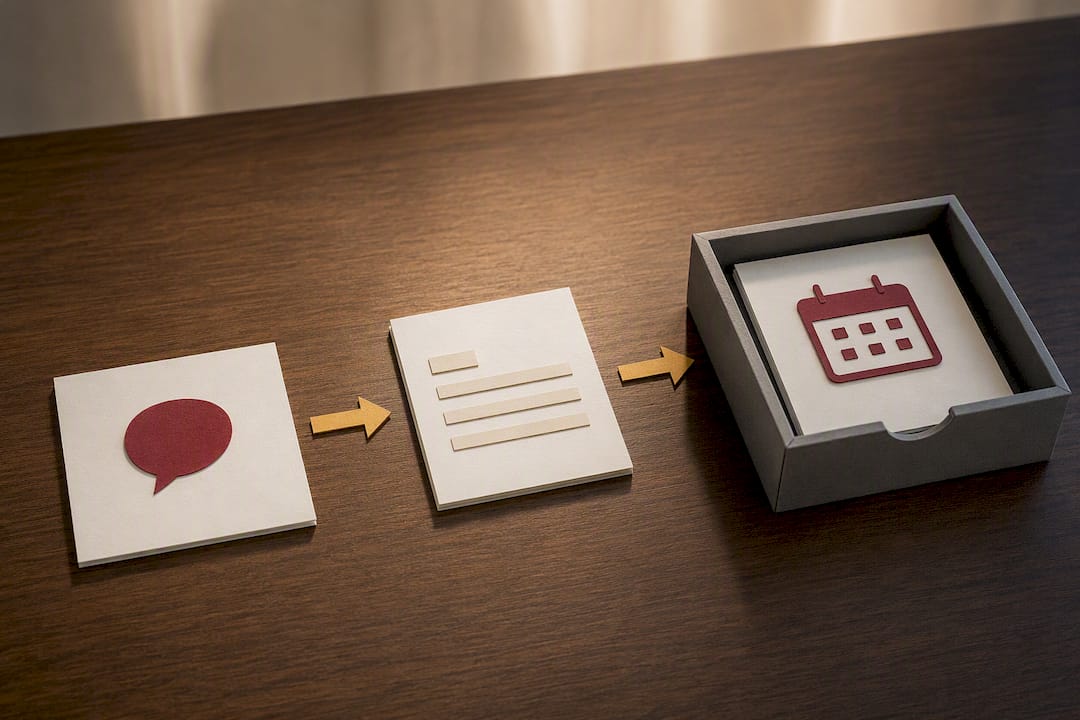
This is where “stacking” comes in, and it’s the single most underused right pregnant employees have in California. PDL and CFRA cover different things, so you can often take both, back to back, rather than choosing one.
- PDL: up to four months, or 17 1/3 weeks.htm), while you’re medically disabled by pregnancy or childbirth.
- CFRA: up to 12 additional weeks for bonding once you’re medically released.
- FMLA: typically runs concurrently with PDL rather than adding separate weeks, since both count toward the federal 12-week cap.
Stack PDL and CFRA correctly and you can reach roughly seven months of job-protected leave. Pay during that stretch usually comes through State Disability Insurance (SDI) for the disability portion and Paid Family Leave (PFL) for bonding time. Both programs are administered by the EDD, both carry a short waiting period before benefits start, and both remain available regardless of immigration status.
How Do You Request Accommodations Or Leave Without Getting Denied?
Timing and paperwork matter more than most employees realize. California regulations set specific deadlines on both sides of the request, and knowing them stops an employer from stalling.
- Give 30 days’ advance notice when your need for leave or accommodation is foreseeable, such as a due date you already know.
- If the need arises suddenly, notify your employer as soon as practicable, even a same-day phone call counts.
- Expect your employer to respond as soon as practicable, generally within 10 calendar days of your request.
- If your employer asks for medical certification, they must specify exactly what’s needed and give you at least 15 calendar days to provide it, except in emergencies.
- Put the request in writing, email your supervisor and HR together, and keep a copy for your own records.
Following this sequence protects you if your employer later claims you gave insufficient notice.
Where Do You File A Complaint, And What Can You Recover?
You have two main filing routes, and picking the right one, or both, shapes your timeline and your options.
- File with the California Civil Rights Department (CRD), which handles state discrimination complaints and generally offers broader remedies than federal law.
- File with the EEOC, which enforces federal pregnancy discrimination protections and cooperates with CRD on overlapping claims.
- Deadlines are tight: California generally requires filing within three years of the discriminatory act under FEHA, so don’t wait to see how things play out.
If your claim succeeds, potential remedies include reinstatement, back pay, emotional distress damages, punitive damages in egregious cases, and attorney’s fees. California’s statute specifically makes it unlawful to refuse PDL, deny reasonable accommodation, or retaliate against you for asking. Talk to an attorney quickly if you were fired shortly after disclosing your pregnancy, if you’re facing retaliation for filing a complaint, or if your employer is a large company with in-house counsel already involved. Those situations call for someone who handles workplace retaliation cases regularly, not a first attempt at self-representation.
What Evidence Do You Need To Prove Pregnancy Discrimination?
Pregnancy discrimination cases are won or lost on paper trails, not on how convincing your story sounds months later. Start collecting now, even if you’re not sure you’ll file a claim.
- Save every email, text, and Slack message where a supervisor mentions your pregnancy, your due date, or your ability to keep working.
- Write dated notes immediately after any conversation about accommodations, schedule changes, or performance concerns.
- Keep copies of your accommodation requests and any medical certification you submitted, along with the dates you sent them.
- Hold onto performance reviews from before and after you disclosed your pregnancy, since a sudden drop in ratings is a common red flag.
- Note the names of coworkers who witnessed comments or treatment changes, since their accounts can corroborate yours.
Pro Tip: Forward work emails to a personal account (where company policy allows) so you’re not locked out of your evidence the day you’re terminated.
From The Lawyer: How We Evaluate Pregnancy Discrimination Claims
At Javitch Law Office, we look at timing first: how close was the adverse action to when you disclosed your pregnancy or requested an accommodation? Early documentation, saved emails, dated notes, medical paperwork, often decides whether a claim is strong or speculative. In an initial consultation, bring your timeline and records; we’ll walk through what happened and what your realistic options are, quickly and directly.
— Mark
If You Need Help, Contact Javitch Law Office For A Free Evaluation
Most employees weighing whether to fight a pregnancy discrimination case worry about cost before they worry about the law. Javitch Law Office handles these cases on a contingency basis in most situations, meaning you don’t pay unless there’s a recovery, and a free case review costs you nothing but time.
If your employer denied an accommodation, cut your hours, or let you go around the time you disclosed a pregnancy, the details of what happened and when matter more than you might think. Javitch Law Office reviews your documents, walks through your specific timeline, and tells you plainly whether you have a case worth pursuing. Everything you share stays confidential, whether or not you decide to move forward. Visit the workplace discrimination practice page to start an intake online or call to speak with someone directly. If retaliation followed your complaint, the firm’s retaliation team can evaluate that angle in the same consultation.
Sources
- Your rights and obligations as a pregnant employee — California Civil Rights Department
- Pregnancy Discrimination and Pregnancy-Related Disability Discrimination — EEOC
- Cal. Code Regs. Tit. 2, § 11051 - Employer notice — Legal Information Institute
This article is general information, not a substitute for advice from a qualified lawyer. Consult a qualified legal professional about your own circumstances before acting on anything here.
FAQ
Who Does Pregnancy Discrimination Law Apply To In California?
FEHA covers pregnancy, childbirth, and related conditions at any California employer with five or more employees, including job applicants, not just current staff. Federal protections through the EEOC apply separately to employers with 15 or more workers nationwide.
Is It Hard To Prove Pregnancy Discrimination?
Proving intent can be challenging, but a strong paper trail changes that quickly. Cases built on dated emails, documented accommodation requests, and a clear timeline between disclosure and adverse action are far stronger than cases relying on memory alone.
How Much Can You Sue For In A Pregnancy Discrimination Case?
There’s no fixed dollar figure since damages depend on lost wages, emotional distress, and whether punitive damages apply in egregious cases. Recoverable amounts can include back pay, reinstatement, emotional distress compensation, and attorney’s fees under FEHA.
What Counts As Pregnancy Discrimination Under California Law?
It includes firing, demoting, or refusing to hire someone because of pregnancy, denying a legally required accommodation, or retaliating against someone for requesting leave or filing a complaint. The EEOC also treats harassment based on pregnancy as a form of discrimination.
What Does Javitch Law Office Charge For A Pregnancy Discrimination Case?
Most pregnancy discrimination cases are often handled on a contingency basis by some firms, meaning there may be no upfront cost and no fee unless there’s a recovery. An initial case evaluation is typically free, with specific fee arrangements discussed directly during that consultation.