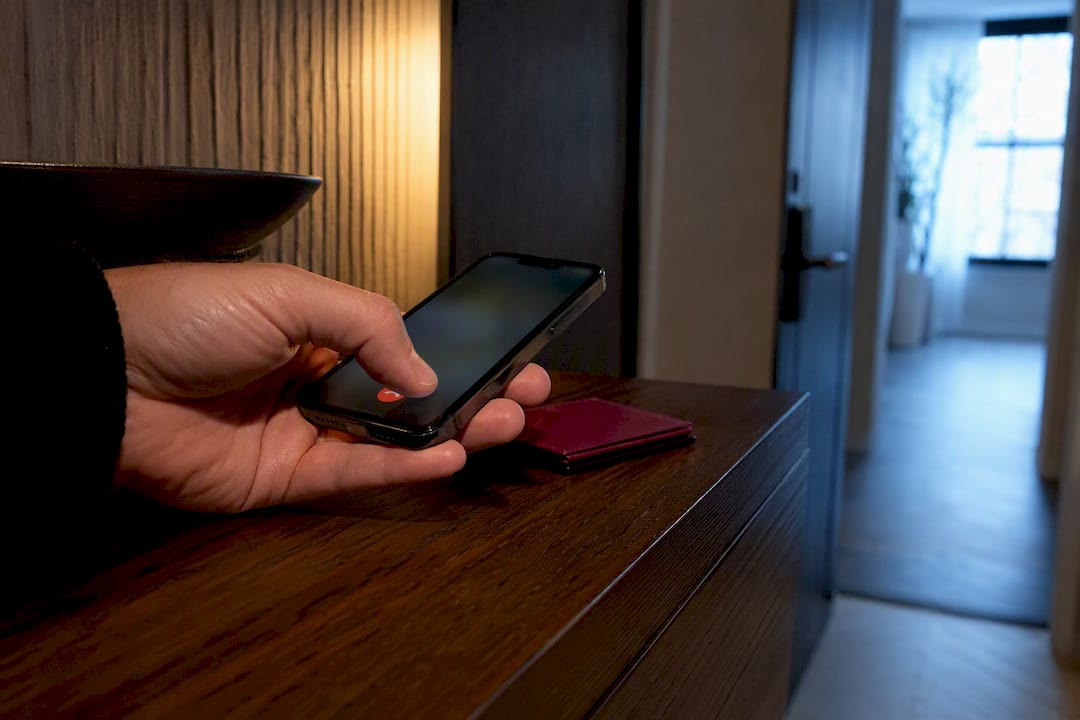
Registering with the National Do Not Call Registry stops most legitimate telemarketing calls within about 31 days, but it won’t touch scammers or spoofed robocalls. Register free at Donotcall or call 1-888-382-1222 from the number you want protected, then report any caller who ignores your registration to the FTC.
TL;DR:
- Registering your number with the Do Not Call Registry reduces legitimate telemarketing calls within about a month but does not prevent scammers or spoofed robocalls.
- Calls from companies you have an existing relationship can legally reach you for up to 18 months after your last purchase, or 90 days after an inquiry.
- Enforcement actions target companies ignoring orders and use fines, but private lawsuits under the TCPA can recover significant damages for each illegal call.
- Documenting and reporting all unwanted calls, including voicemails and caller ID screenshots, is essential, especially if illegal or persistent calls continue after a stop request.
- Technical tools like caller ID filtering and carrier spoofing protections complement registration, but scammers often exploit caller ID spoofing to evade detection.
Table of Contents
- What the Do Not Call Law Actually Covers
- How to Register or Remove Your Number
- When Callers Can Legally Reach You Anyway
- What Happens When a Telemarketer Breaks the Rules
- Your Move When the Calls Don’t Stop
- The Tools That Work Alongside the Registry
- When Javitch Law Office Steps In
- A Straight Answer on What the Registry Is For
- Ready to Stop the Calls for Good?
- Sources
- FAQ
What the Do Not Call Law Actually Covers
The Do Not Call law is really shorthand for two separate legal tools working together. The National Do Not Call Registry gives consumers a way to opt out of sales calls from companies they haven’t done business with, and the Telephone Consumer Protection Act (TCPA), codified at 47 U.S.C. §227, restricts autodialed calls, prerecorded messages, and unsolicited texts. The FTC’s Telemarketing Sales Rule (TSR) fills in the enforcement details for both.
Two agencies split the job. The FTC runs the registry and enforces the TSR against telemarketers who ignore it. The FCC enforces TCPA rules covering robocalls, autodialers, and caller ID spoofing, and it leans on carriers to block junk traffic before it reaches you.
Not every call falls under these protections. Common exceptions include:
- Calls from political campaigns and candidates
- Calls from charities and nonprofit organizations
- Purely informational calls, like a flight delay notice from an airline you booked with
- Survey and market research calls that aren’t selling anything
- Calls from companies you have an existing business relationship with
How to Register or Remove Your Number
Getting on the registry takes a short amount of time and costs nothing.
- Go to DoNotCall.gov or dial 1-888-382-1222 (TTY: 1-866-290-4236) from the phone you’re registering.
- Enter the number and confirm it through the email or automated prompt.
- Wait out the window: telemarketers are required to update their lists against new registrations within about a month, so expect the calls to taper off rather than stop overnight.
- Check your status anytime at DoNotCall.gov to confirm the registration is active.
- To remove a number, use the same site or phone line. Removal takes effect quickly, but understand you’re opening the door to legal telemarketing again.
Pro Tip: Take a screenshot or save the confirmation email the moment you register. If a company calls you after the 31-day window and claims it never got the update, that timestamp is your proof they’re wrong.
When Callers Can Legally Reach You Anyway
The registry has real gaps, and telemarketers know exactly where they are. The biggest one is the established business relationship (EBR), which lets a company you’ve bought from call you for up to 18 months after your last purchase, or for 90 days after you simply ask about their products.
A few other carve outs matter just as much:
- Prior express written consent lets a company robocall or text you if you agreed to it, often buried in fine print when you signed up for something else online.
- Nonprofit, political, and survey calls are exempt from the registry regardless of your registration status.
- State laws vary, and some states layer on stricter telemarketing rules than the federal baseline.
- You can revoke consent at any time, and courts have consistently held that a clear verbal or written “stop calling me” is enough. Follow up in writing (email or text) and keep a copy.
What Happens When a Telemarketer Breaks the Rules
Enforcement runs on two tracks: what the government does, and what you can do yourself.
The FTC brings enforcement actions against companies that call registered numbers or ignore do-not-call requests, often resulting in six and seven-figure civil penalties against repeat corporate offenders. The FCC pursues TCPA violations tied to illegal robocalls and spoofing, sometimes fining individual actors millions of dollars in a single case.
Private lawsuits are where individual consumers get real leverage. Under the TCPA, you can recover $500 in statutory damages per illegal call, and up to $1,500 per call if a court finds the violation was willful. There’s no cap on how many calls you can claim, which is exactly why class actions against repeat robocall offenders can add up fast.
- File FTC complaints at Reportfraud
- File FCC complaints through its consumer complaint center
- Keep any confirmation number the portal gives you; agencies use complaint volume to prioritize which companies to investigate
Your Move When the Calls Don’t Stop
Most robocalls and scam calls ignore the registry entirely, so the fix isn’t more registration. It’s documentation.
- Log the date, time, and caller ID for every unwanted call.
- Note whether it was a live person, a prerecorded message, or an autodialer with that telltale pause before someone speaks.
- Save voicemails and screenshot caller ID displays before they disappear from your call log.
- Hang up. Never press 9, 1, or any other key the recording tells you to press. That keypad prompt isn’t a real opt-out. It’s usually a way to confirm your number is active so scammers can sell it to the next caller.
- Report the call at reportfraud.ftc.gov, through the FCC’s complaint portal, and to your state attorney general’s office. Fill in the exact number that called, the time, and what the call was about.
Pro Tip: If the same company calls you more than once after you’ve documented a clear request to stop, you likely have the makings of a TCPA claim. That pattern, not a single call, is usually what turns a complaint into a case a lawyer wants to see. Our step-by-step guide to documenting TCPA violations walks through exactly what to save and how.
The Tools That Work Alongside the Registry
The registry is a legal boundary, not a technical filter. It tells legitimate companies they’re breaking the law if they call you. It does nothing to physically stop a scammer dialing from a spoofed number overseas. That job falls to your carrier and your phone.
- Major carriers now run STIR/SHAKEN call authentication, which flags likely spoofed numbers as “Scam Likely” or similar before the phone even rings.
- Built-in smartphone settings (Silence Unknown Callers on iPhone, Caller ID & Spam on Android) filter out a large share of junk calls automatically, though they can also silence legitimate calls from new numbers.
- Spoofing is the real threat vector: scammers fake a local number, sometimes one close to your own, to get you to answer. That’s a strong sign of a scam, not a coincidence.
- If you suspect a scam call, don’t engage, don’t confirm personal information, and don’t call the number back. Report it and block it.
Caller identification standards continue to evolve on the carrier and business side as well, which is slowly narrowing the gap scammers exploit.
When Javitch Law Office Steps In
Registering your number and reporting violations handles most cases. Legal action matters when a caller ignores repeated stop requests, uses an autodialer or prerecorded voice illegally, or when the pattern points to a larger operation calling thousands of people the same way. Javitch Law Office handles illegal telemarketing and robocall claims under the TCPA, including cases built around prerecorded voice messages and consumer class actions.
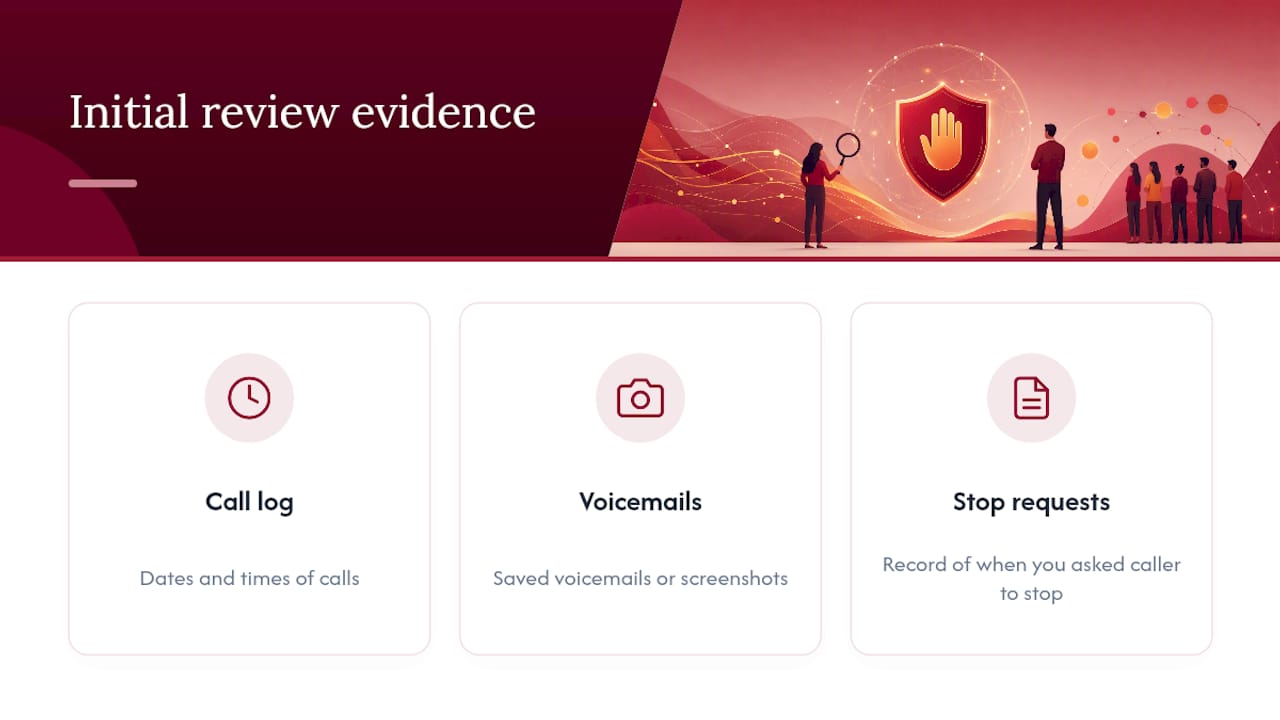
For an initial case review, bring your call log with dates and times, any saved voicemails or screenshots, and a record of when you asked the caller to stop. That documentation is usually the difference between a complaint that goes nowhere and a claim with real value.
A Straight Answer on What the Registry Is For
People treat the registry like a spam filter. It isn’t one. It’s a legal trigger that makes a company’s next call illegal, and enforcement only works when someone reports it. The biggest misconception I see is consumers assuming registration failed because calls kept coming, when really the calls they’re getting were never covered by the registry to begin with. Document everything, report every violation, and if a company keeps calling after a clear stop request, that’s when a lawyer earns their fee.
— Mark
Ready to Stop the Calls for Good?
If a company keeps calling after you’ve registered, documented, and asked them to stop, you’re past the point where reporting alone fixes it. Javitch Law Office pursues TCPA claims and consumer class actions directly against the companies responsible, which means the burden shifts from you filing complaints to us building a case.
Before requesting a case evaluation, gather your call logs with dates and times, any saved voicemails or recordings, screenshots of caller ID, and notes on when you asked the caller to stop. A consultation may cost nothing, and if your claim qualifies, some cases move forward on contingency, meaning you might not pay legal fees out of pocket. Reach out through our consumer class actions page to start the review.
This article is general information, not a substitute for advice from a qualified lawyer. Consult a qualified legal professional about your own circumstances before acting on anything here.
Sources
- National Do Not Call Registry FAQs | Consumer Advice
- Unwanted Communications: Robocalls, Caller ID Spoofing, and Do-Not-Call Registry | Federal Communications Commission
- Enforcement | Federal Trade Commission
- National Do Not Call Registry
FAQ
How do I stop getting 20 spam calls a day?
Register with the National Do Not Call Registry for legitimate telemarketers, but rely on carrier spam-blocking features and smartphone call filtering for the scam and robocall volume, since those calls ignore the registry entirely.
Does pressing 9 stop telemarketers?
No. Pressing any key during a robocall usually confirms your number is active, which can increase spam calls rather than stop them; hang up and report the call instead.
Is there a do not call list in the US?
Yes, the National Do Not Call Registry, run by the FTC, lets consumers register phone numbers for free at DoNotCall.gov or by calling 1-888-382-1222.
What are three rules telemarketers have to follow?
Telemarketers must honor Do Not Call registrations within 31 days, cannot use autodialers or prerecorded voice messages without prior consent under the TCPA, and must stop calling immediately once you directly ask them to.
When should I contact a lawyer about repeated calls?
If a company keeps calling after you’ve documented a clear stop request, Javitch Law Office can evaluate whether you have a TCPA claim worth statutory damages per call.